
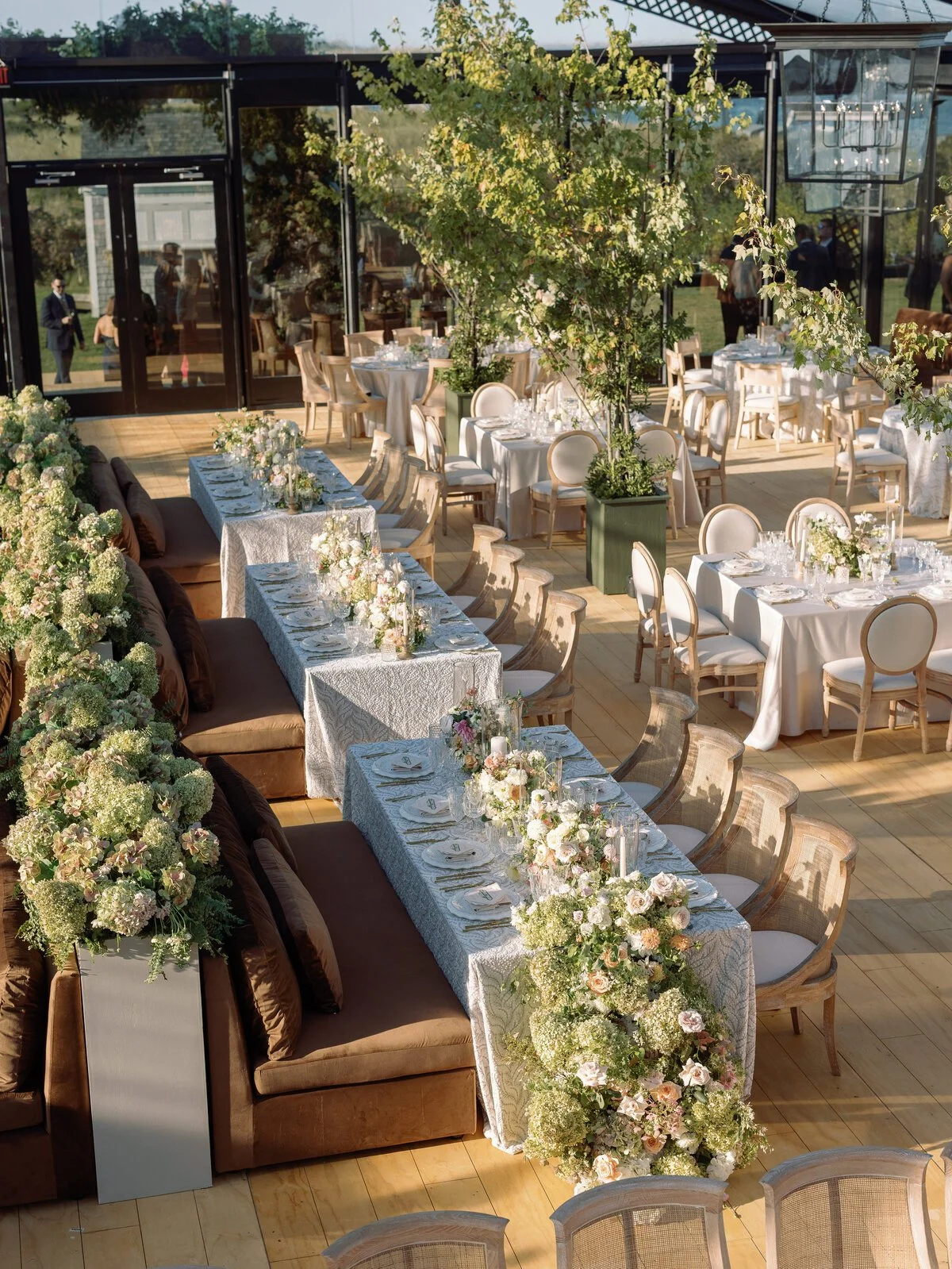
Photo by: Brett Heidebrecht
The Essential Guide to Programs, Menus, Escort Cards & More
When couples think about wedding stationery, invitations usually steal the spotlight. But once the big day arrives, it’s the day-of wedding paper that truly shapes the guest experience. From guiding guests to their seats to elevating reception décor, day-of paper goods are equal parts function and beauty.
If you’re planning a wedding and wondering what kinds of day-of paper you actually need, this guide breaks down the most essential pieces, plus tips on how to choose what’s right for your celebration.
What Is Day-Of Wedding Paper?
Day-of wedding paper refers to all printed materials used for the wedding weekend, and wedding day itself, rather than the save the date and invitation which precede the event. These pieces help guests navigate the ceremony and reception, communicate important details, and reinforce your overall wedding aesthetic.
Not every wedding needs every item, but understanding your options helps you prioritize.
Welcome Note / Welcome Bag
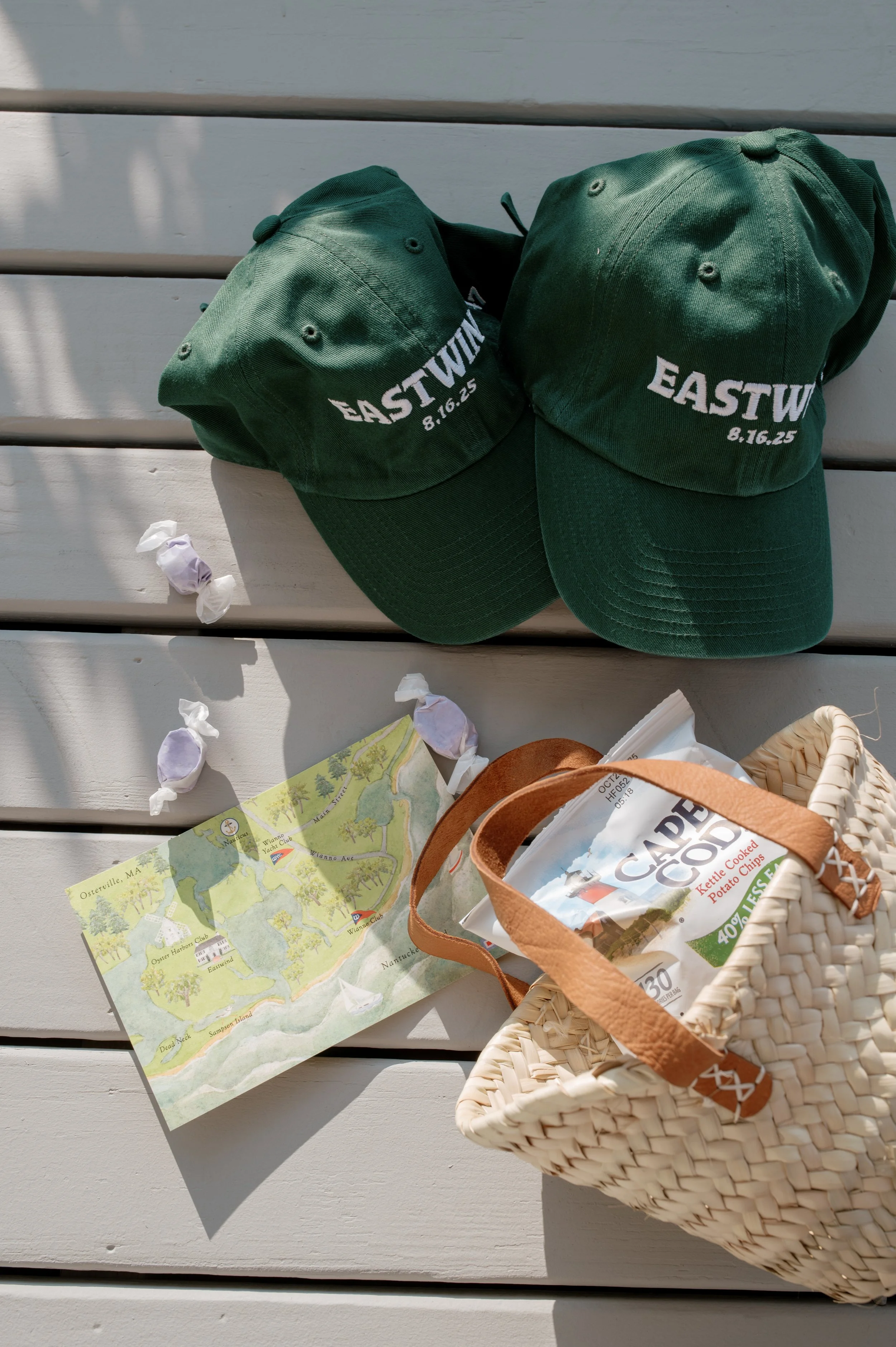
When your guests have travelled far and wide to join you on your wedding weekend, a little “hello” waiting at their hotels and rentals is a welcoming touch. The Welcome Note can share updated transportation information, an itinerary, a map, or a list of favorite local attractions.
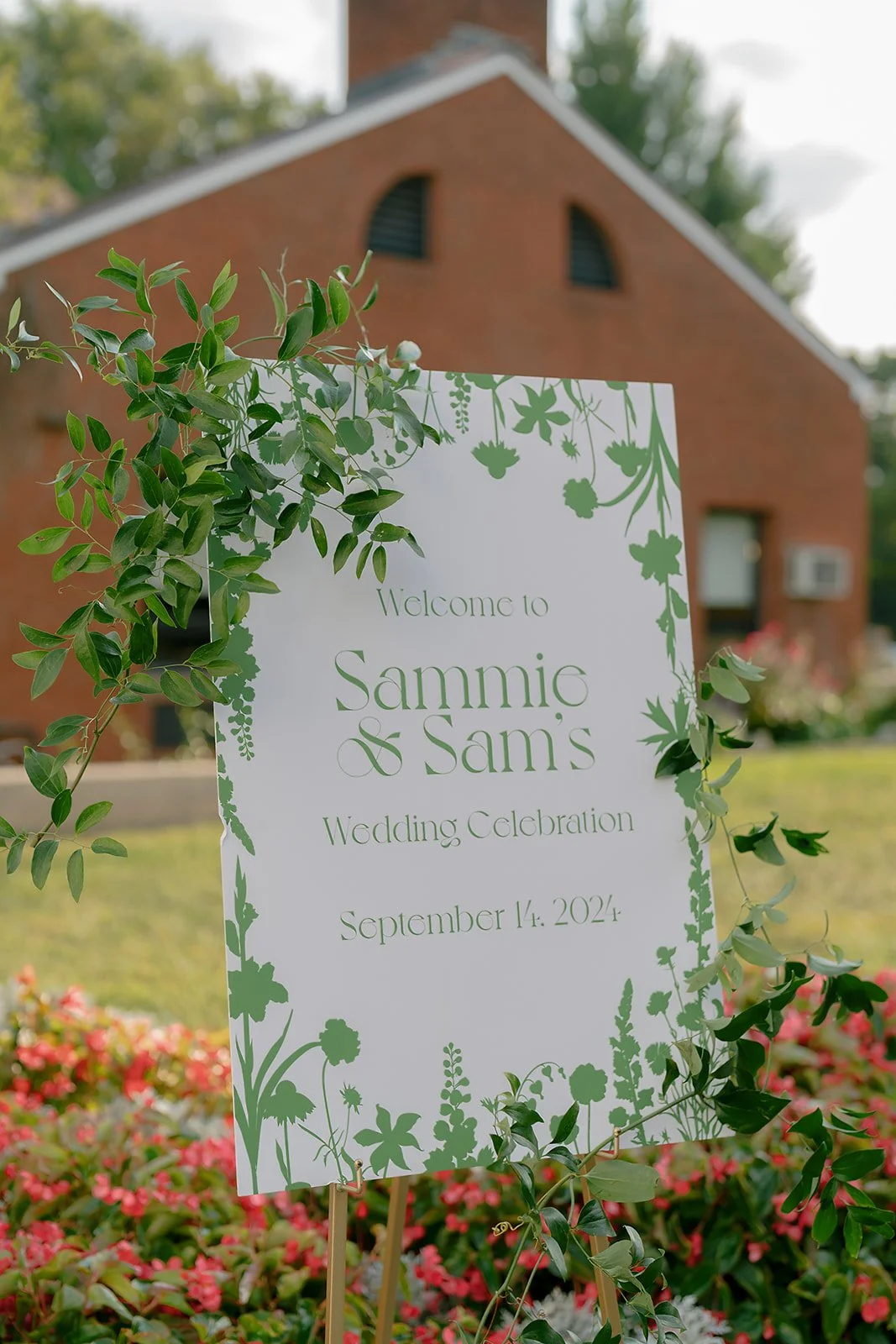
Welcome Sign
A Wedding Welcome sign is a great way to draw guests towards your event, especially if the location is a sprawling property. It orients folks, and is the very first touch point of the wedding day.
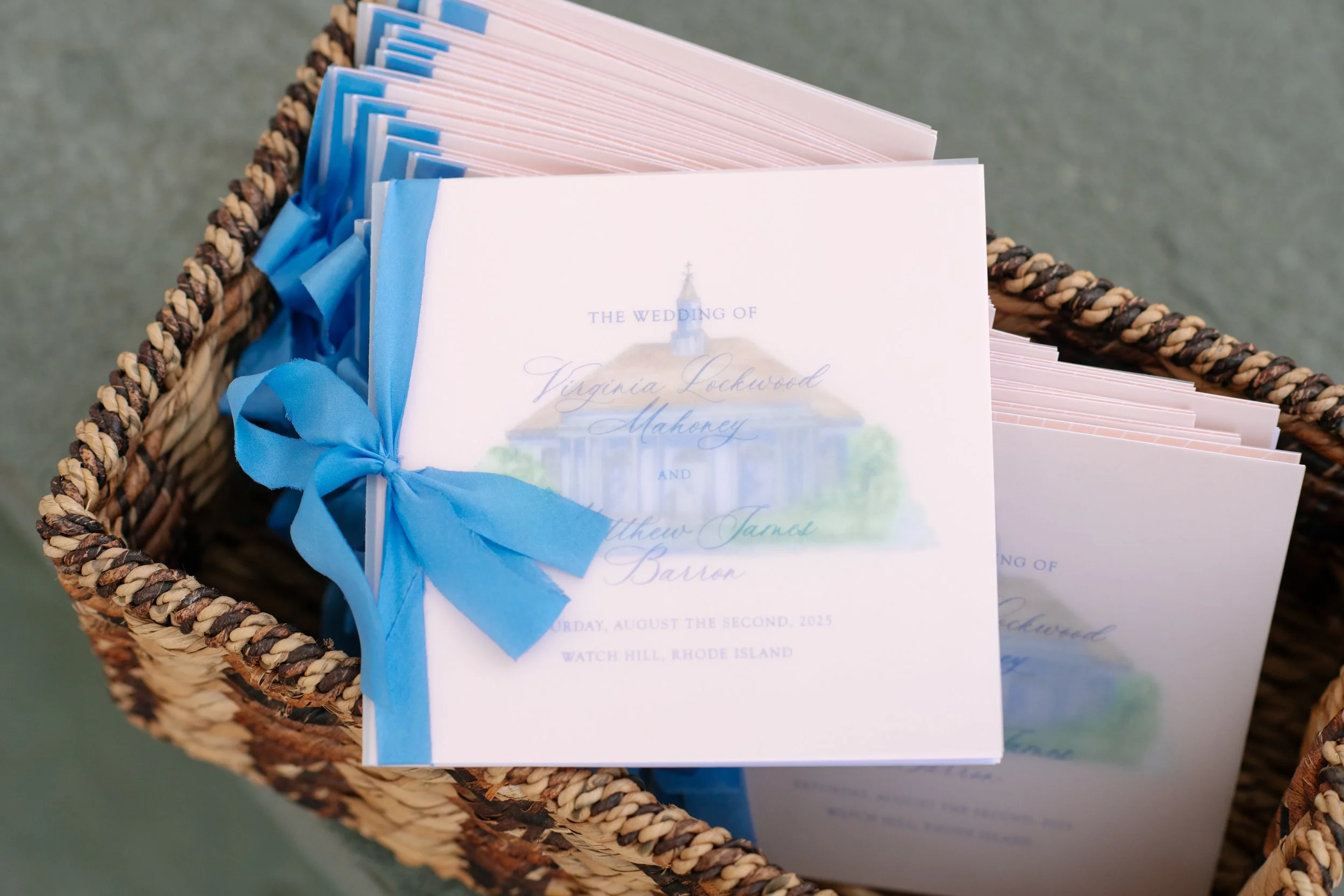
Photo by: Eric Dush
Wedding Ceremony Program
Wedding programs aren’t required for every celebration, but when used, they can deepen the guest experience. Programs are especially valuable for ceremonies that include cultural, religious, or nontraditional elements, giving guests context and helping them feel more connected to the moment. Beyond mapping the flow of the ceremony, programs serve as a place to acknowledge loved ones, introduce your wedding party, explain meaningful rituals, and transcribe favorite readings. They preserve the ceremony details as a keepsake long after the day has passed. Programs can be a simple card printed on the front and reverse, they can be greeting-card style, to contain more info, they can be a booklet, they can even be designed as a fan to keep guests cool.
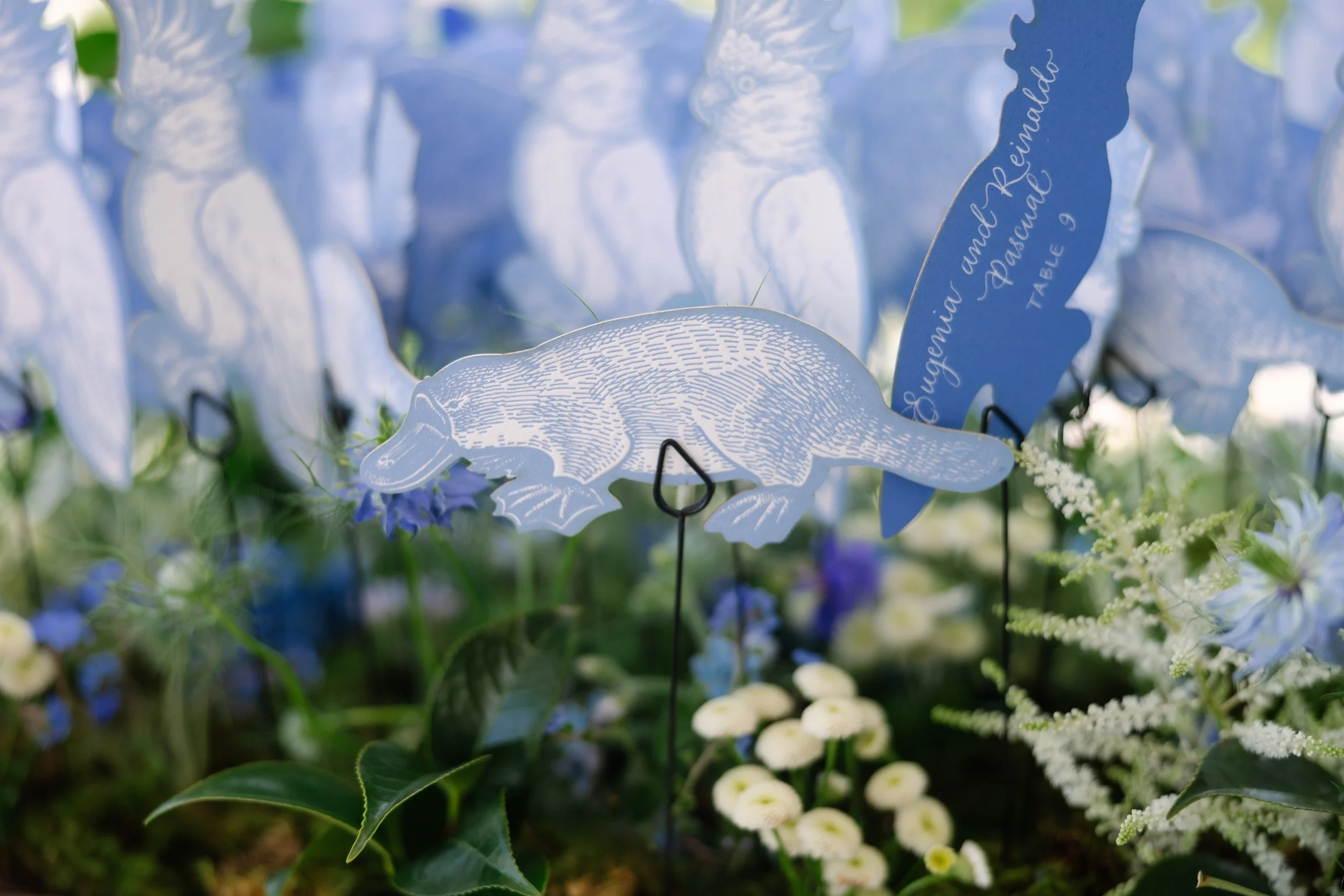
Photo by: Eric Dush
Escort Cards versus Seating Chart: What’s the Difference?
Both serve the same purpose: telling guests where to sit for the reception, but there are reasons to choose one over the other.
Escort Cards
Escort Cards note each guest or couple’s name and their assigned table number. Guests pick up their card and then find their table. The cards can be tented, a mini envelope and card inside, a custom shape, or even a seashell - and are often saved as a keepsake, especially when a calligrapher pens the names.
Why couples love escort cards:
Easy to update if seating changes last-minute
Great for creative displays (mirrors, walls, statement tables)
Prevents crowding around one large chart
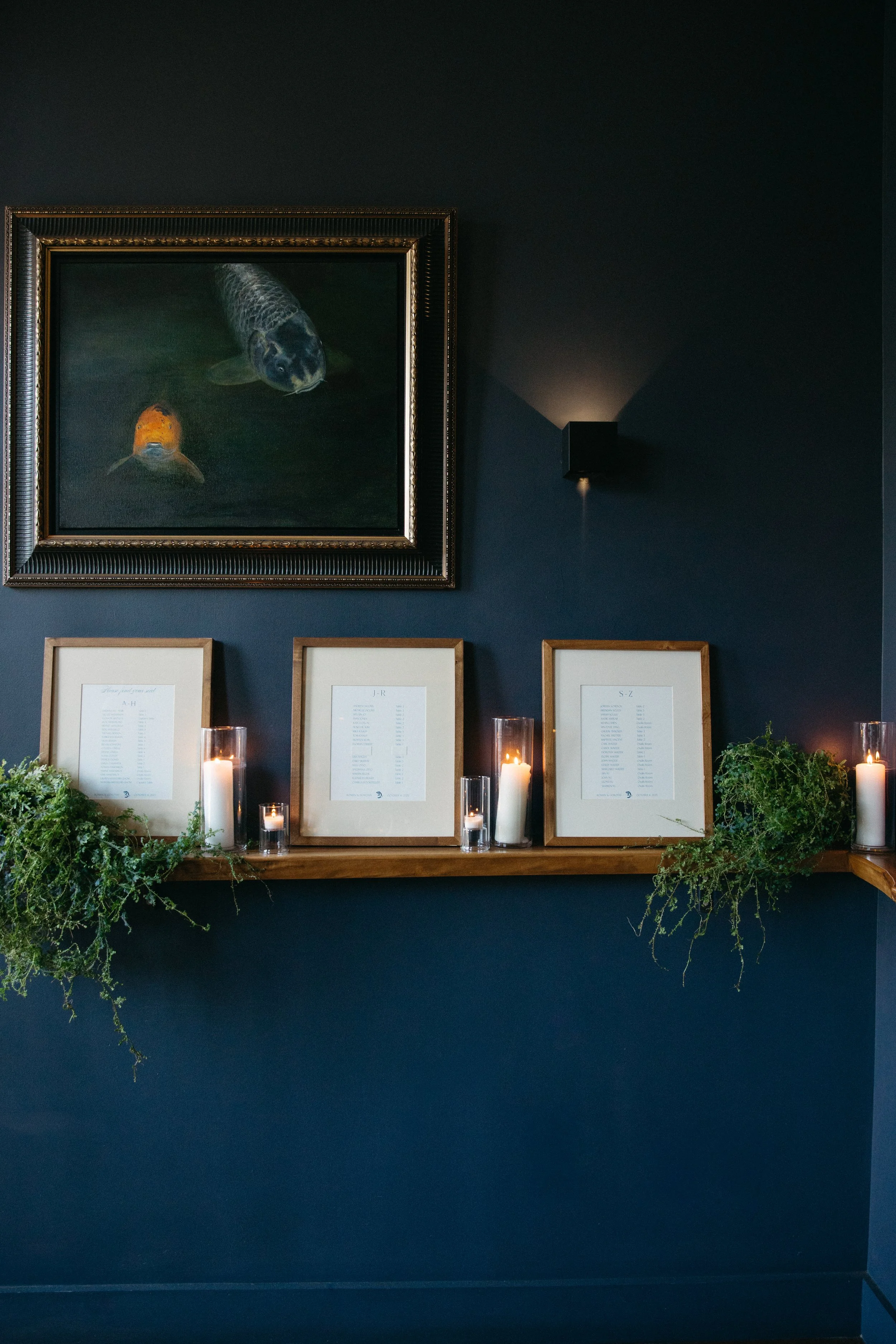
Photo by: Chelsea Gee Photography
Seating Chart
A seating chart displays all guests’ names together, organized by table or alphabetically by last name.
Why couples choose seating charts:
Clean, modern look for minimalist or contemporary weddings
Faster for guests to find their name
Space saving
Tip: If your guest count is over 125, escort cards often move guests through the space more smoothly than a seating chart.
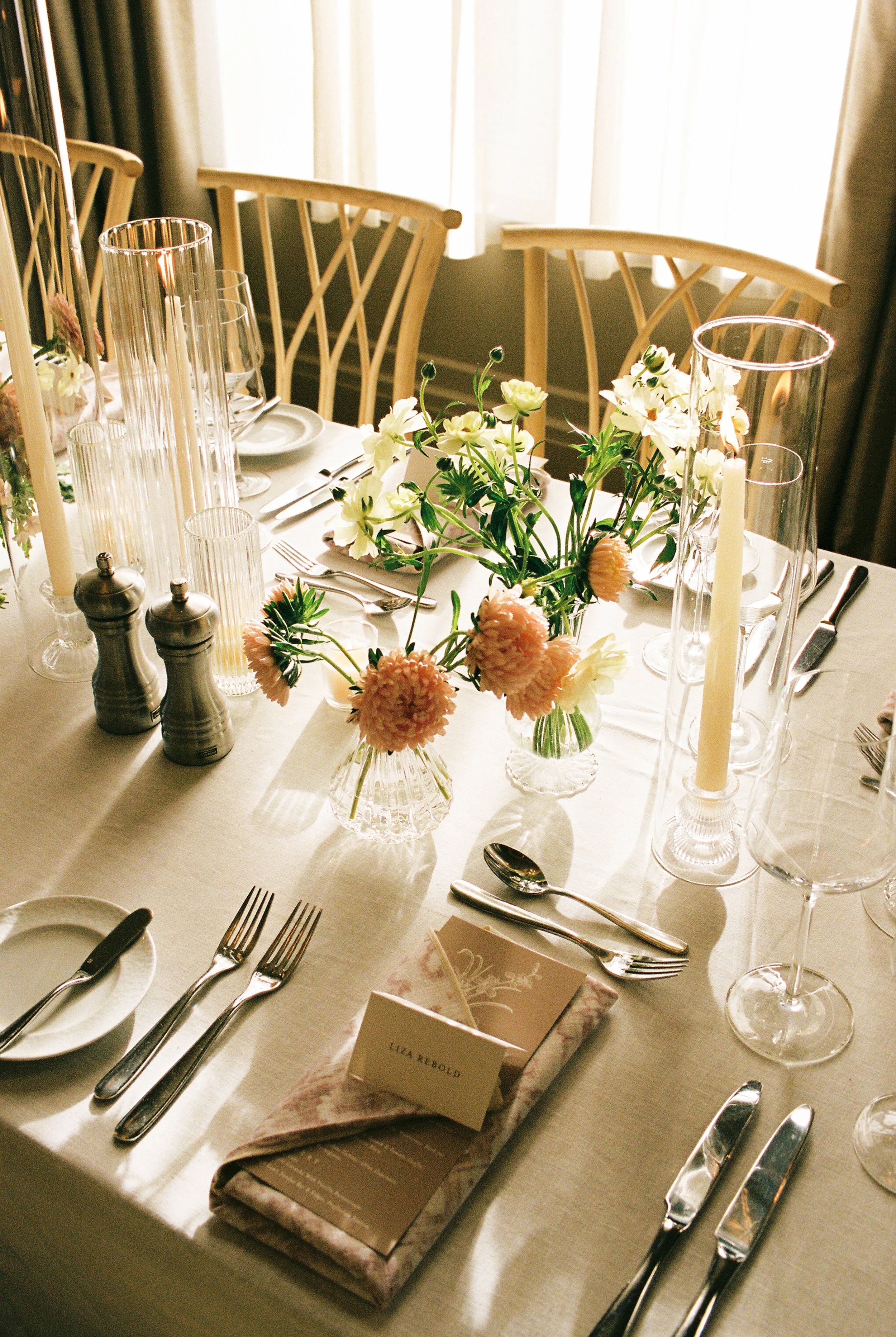
Photo by: Abigail Fenton
Table Numbers
Table numbers are not to be underestimated, they play a crucial role in keeping the reception running smoothly. Clear, legible, table identification ensures guests find their seats quickly and staff can serve efficiently. These are often framed or displayed on a pick.
Place Cards
Place cards are small flat or tented cards placed at each setting, denoting a guest’s first name. A guest’s name can be added to each menu for the same purpose. Assigned seating is often required by a venue or caterer in order to offer the highest level of service by placing each guest’s chosen meal at the correct seat.
Assigned seating can be used to ensure certain guests do, or do not, mix – or simply to make the guest seating experience seamless - no awkward shuffling around the table.
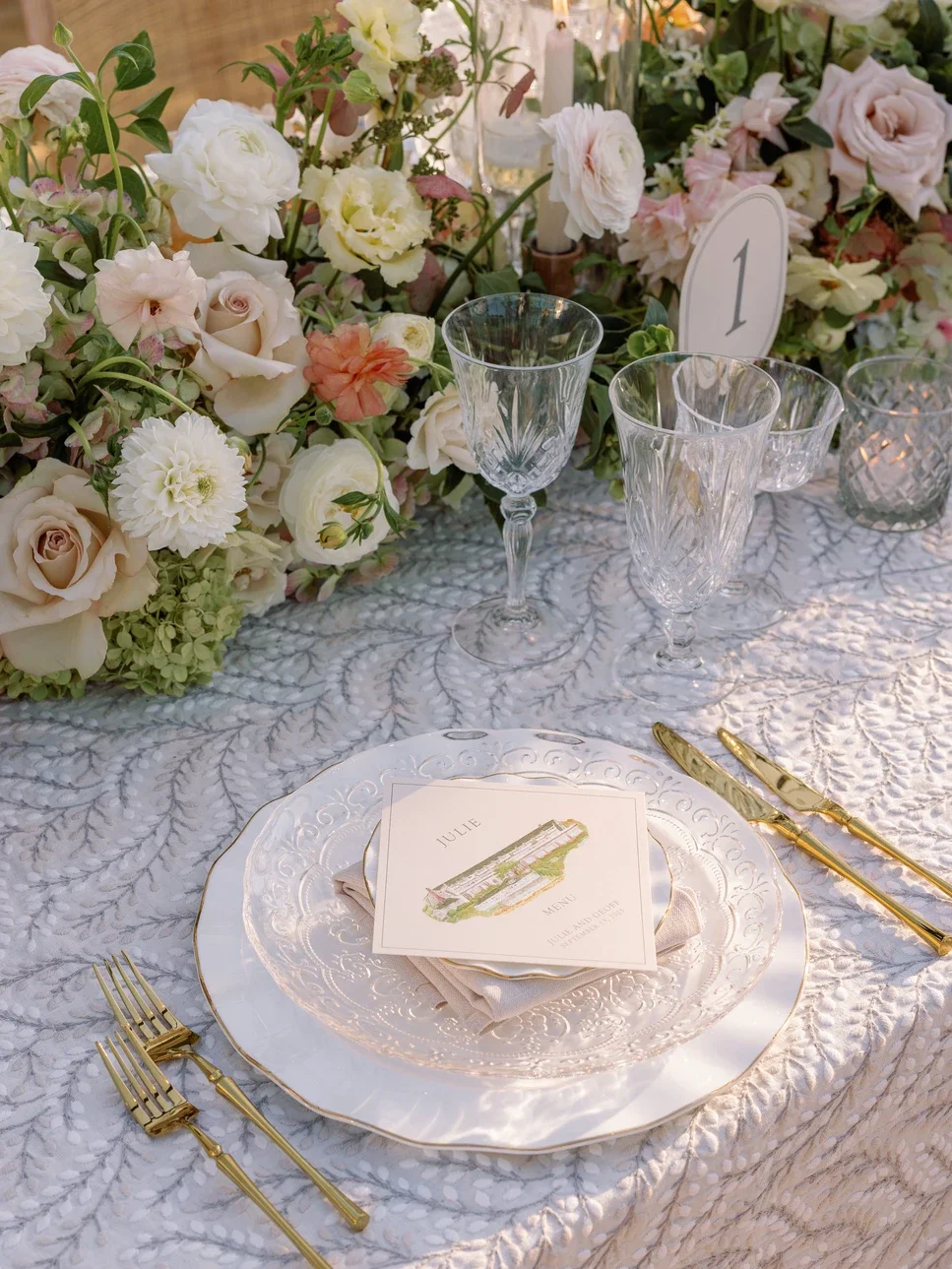
Photo by: Brett Heidebrecht
Wedding Menus
The Menu is where function meets décor. While their primary role is to let guests know what’s being served, since there is one at every place setting, they are visually impactful.
Wedding Menus contribute to the overall vision of your reception more than any other printed piece of wedding day stationery.
The Menus can echo your invitation suite, complement your color scheme, and add texture through specialty paper and printing techniques. If you have multi-layered place setting with chargers and napkin, you may opt for a minimal wedding menu, if you do not have an elaborate place setting, the menu can elevate the look of the table decor and add interest.
Small Signage & Expendables
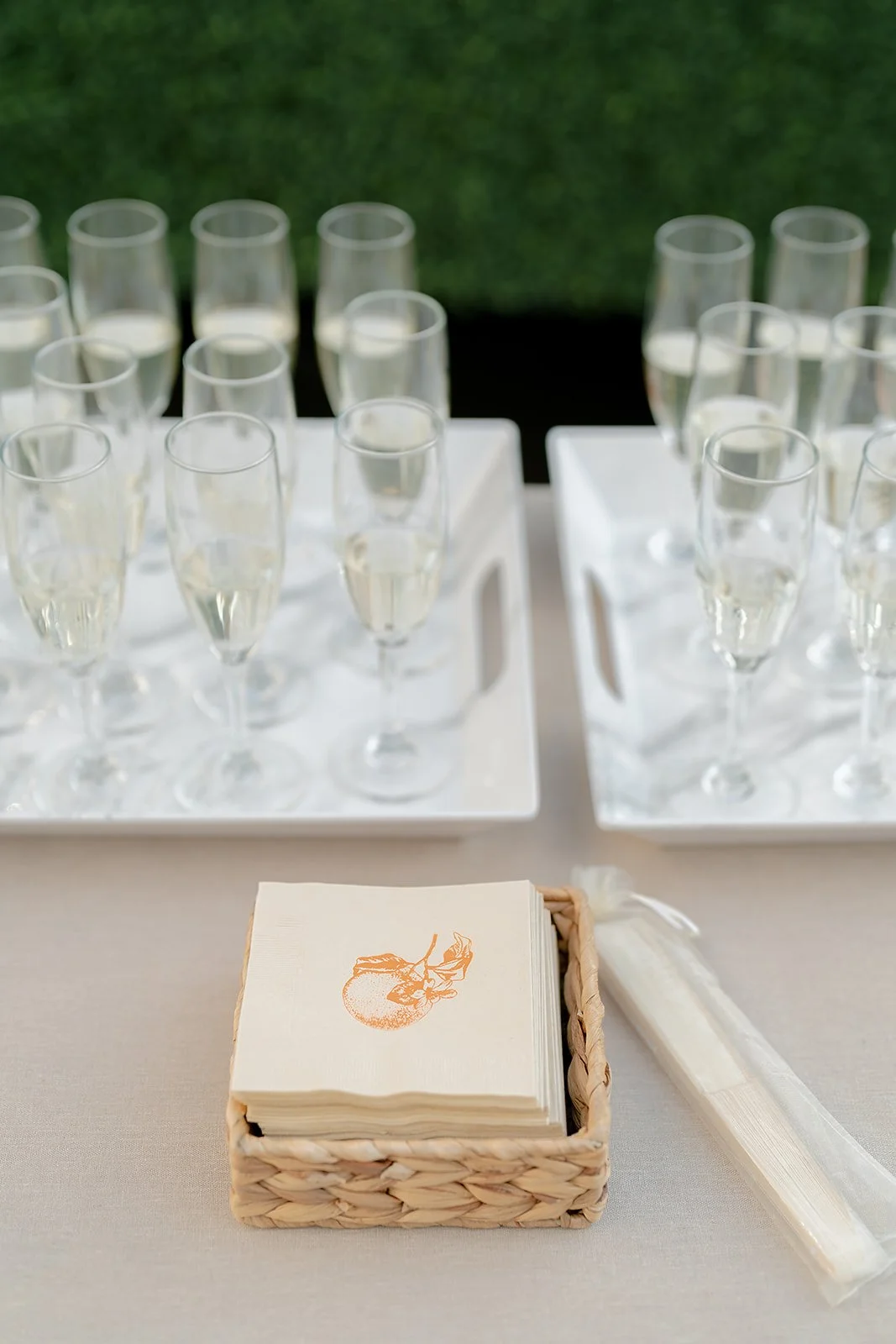
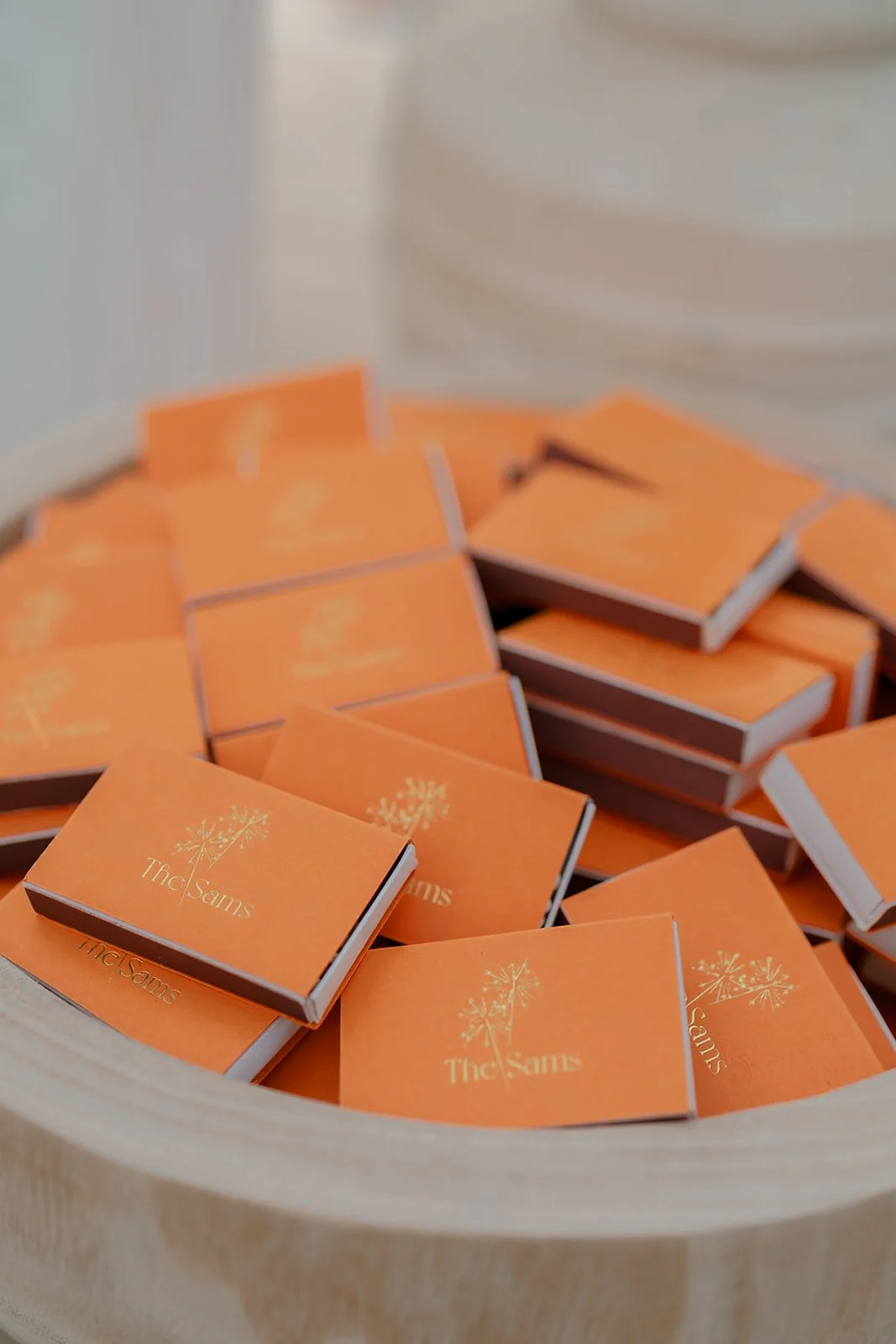
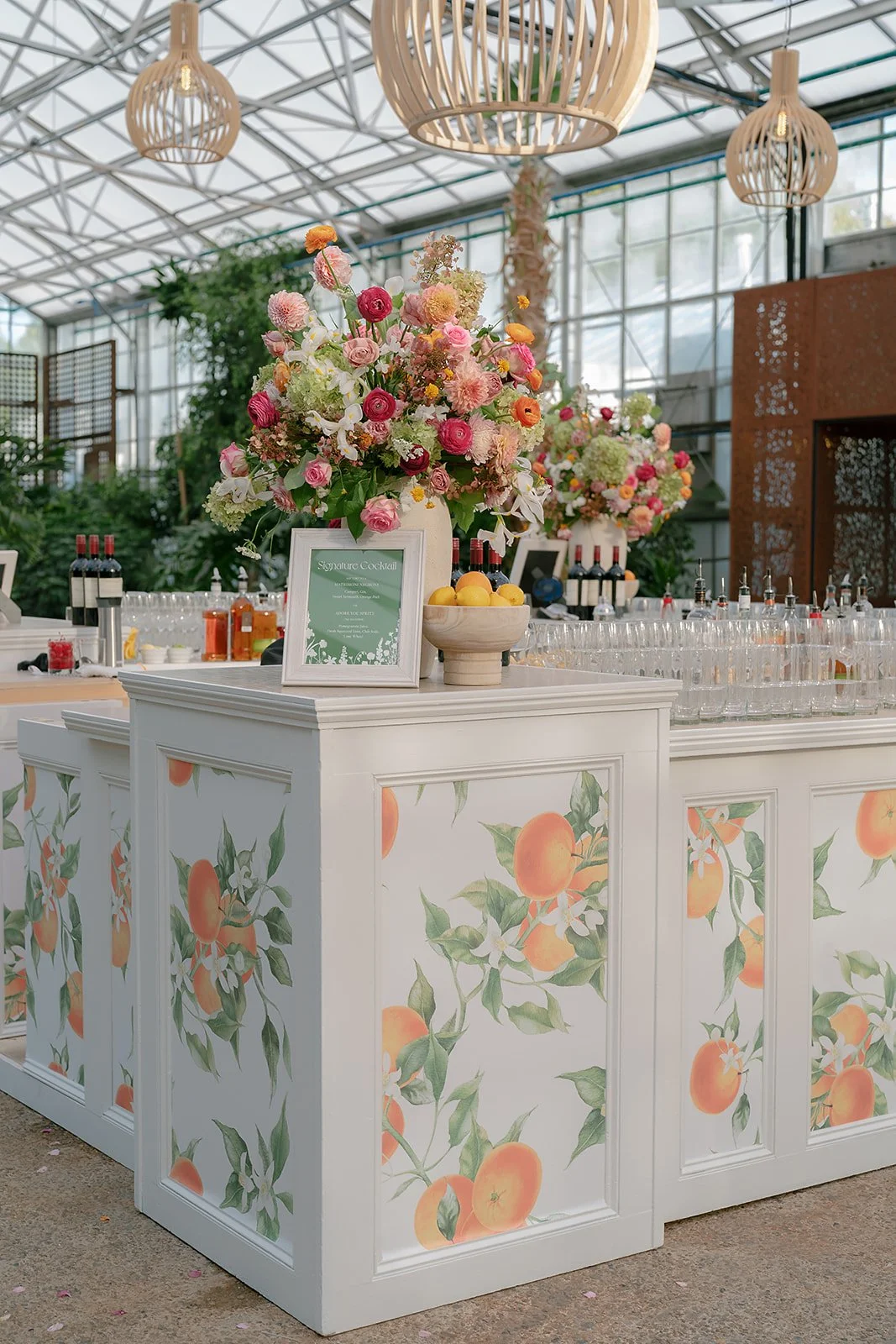
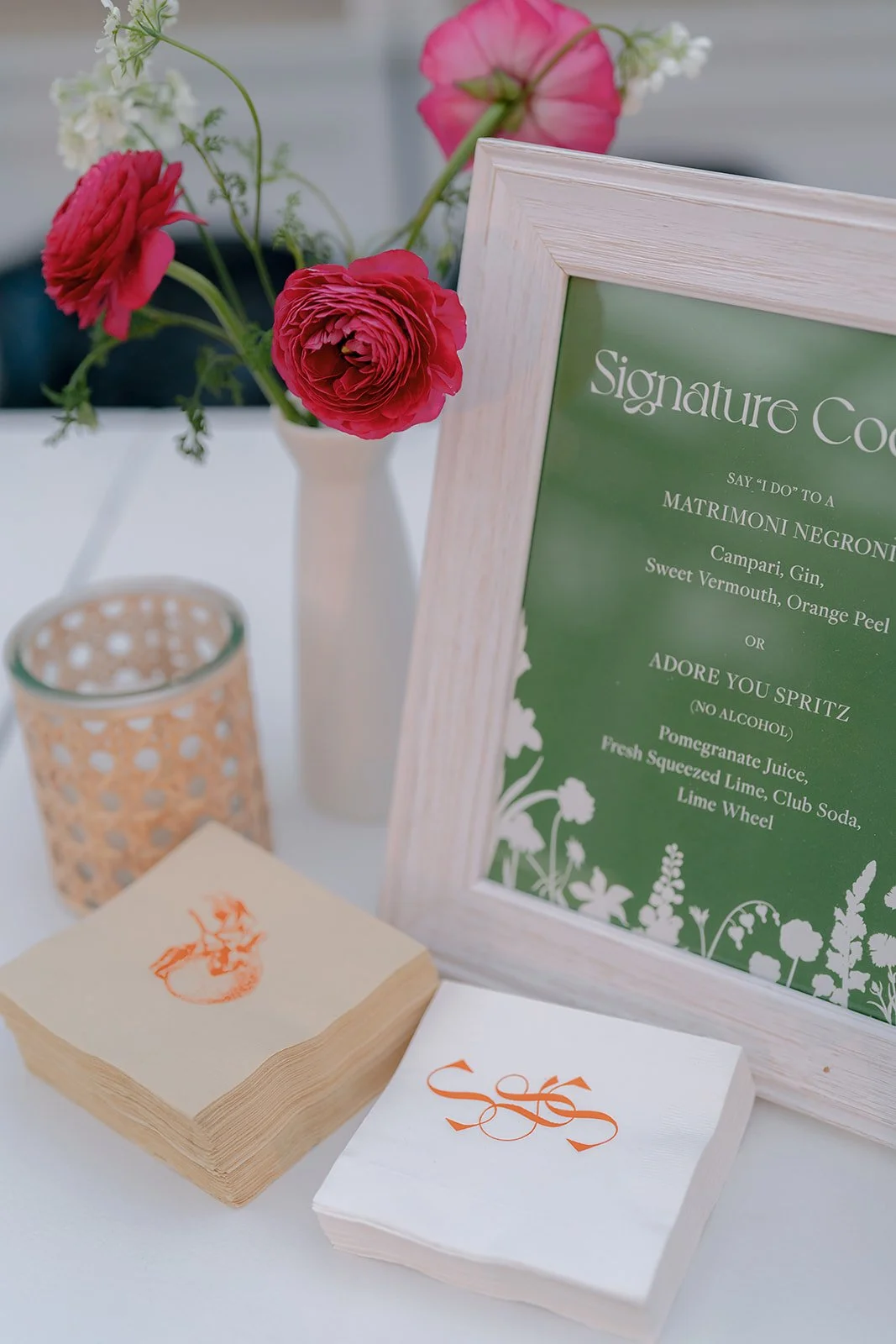
Custom Napkins, Matchbooks, and Drink Ware are small but deluxe touch points that instantly elevate your event.
They offer a full sensory experience - inviting guests to pause and savor the moment. They can infuse your event with personality, and a tone of voice.
Bringing It All Together
The most successful day-of wedding paper feels cohesive. When programs, menus, place cards, signage, and table details all speak the same visual language, the result is a wedding day that feels intentional and well-orchestrated.